



The 5 Most Common Construction Site Thefts in California (and How to Stop Them)
Construction sites in California are frequent targets for theft, resulting in financial losses and schedule delays. This article identifies the five most common theft types, explains why they are targeted, and offers practical mitigation options, including mobile surveillance trailers and complementary security tools.
The financial impact of construction site theft is a recognised concern across the United States.
US Construction Site Theft & Prevention Research
Construction site theft is recognised as a concern in the United States and internationally. U.S. estimates indicate between one and four billion dollars of materials, tools, and equipment—both large and small—are stolen annually. This article, covering theft from single-house sites, subdivisions, larger multifamily developments, and commercial sites, synthesises research, established crime-prevention practices, evaluations of prevention techniques, and the implications for security.
A review of the research, practice, and evaluation of construction site theft occurrence and prevention: directions for future research, 2008
What Are the 5 Most Common Construction Site Thefts in California?
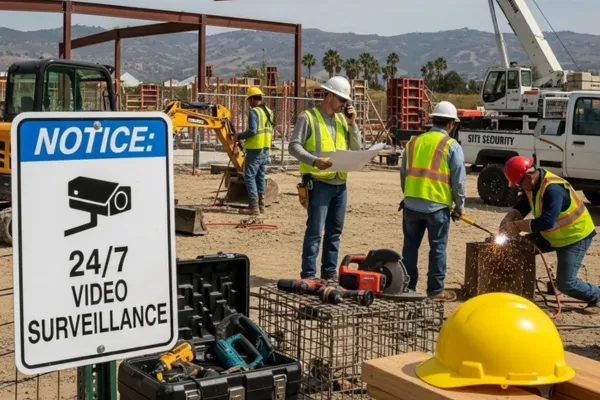
Construction sites present predictable theft risks; certain materials and equipment are targeted more often. The five most common thefts are listed below.
Copper: Highly valuable and easy to resell, copper wiring and piping are often stolen for quick cash.
Tools: Hand tools and power tools are essential for construction work, making them attractive targets for thieves.
Heavy Equipment: Larger machinery, such as excavators and bulldozers, can be stolen and sold or used for other projects.
Fuel: Fuel theft can significantly impact project budgets, as thieves siphon fuel from machinery and storage tanks.
Lumber: With rising material costs, lumber theft has become increasingly common, affecting project timelines and budgets.
Recognising these patterns is essential to designing targeted prevention plans.
Why Are Copper and Tools the Top Targets for Theft?
Copper and tools are stolen because they have resale value and are easy to move. Limited on-site security and unattended storage make access simple. Beyond replacement costs, tool loss delays work and raises labour expenses.
How Do Heavy Equipment, Fuel, and Lumber Theft Impact Construction Projects?
Theft of heavy equipment, fuel, and lumber causes direct replacement costs and indirect losses from schedule delays and contract penalties. Fuel theft raises operating costs while lumber shortages disrupt schedules and supply chains, harming margins and client confidence.
Which California Regions Have the Highest Construction Site Theft Rates?
Certain California regions report higher construction site theft rates driven by local crime trends and economic factors. Identifying these areas helps prioritise security investments.
What Are the High-Theft Zones in California Construction Sites?
High-theft zones are often densely populated urban areas with elevated crime statistics. Cities such as Los Angeles, San Francisco, and Oakland report higher incident counts, highlighting the need for stronger on-site protection in those markets.
How Do Regional Theft Trends Influence Security Needs?
Regional trends shape required security measures. Areas with more incidents benefit from layered defences, increased surveillance presence, and additional on-site staff. Analysing local crime data lets firms allocate resources where they'll most reduce risk.
How Can Mobile Surveillance Trailers Prevent Construction Site Theft?
Mobile surveillance trailers create a visible, continuous security presence that deters opportunistic theft and provides 24/7 oversight for critical assets.
What Features Make Mobile Surveillance Trailers Effective Theft Deterrents?
Trailers combine visibility, alerts, and high-quality video to improve detection and incident response.
Visible Deterrence: The presence of surveillance equipment can deter potential thieves from attempting theft.
Real-Time Alerts: Many trailers offer real-time alerts to notify site managers of suspicious activity.
High-Resolution Cameras: Advanced camera technology delivers clear footage for identification and prosecution.
Those capabilities enable faster detection, evidence collection, and a defensible security investment.
How Does Remote Monitoring Enhance Site Security in California?
Remote monitoring lets managers oversee sites from anywhere and respond quickly. Systems with AI analytics can flag unusual behaviour and reduce response times, lowering theft risk.
What Are the Best Portable Security Cameras and Equipment Theft Solutions?
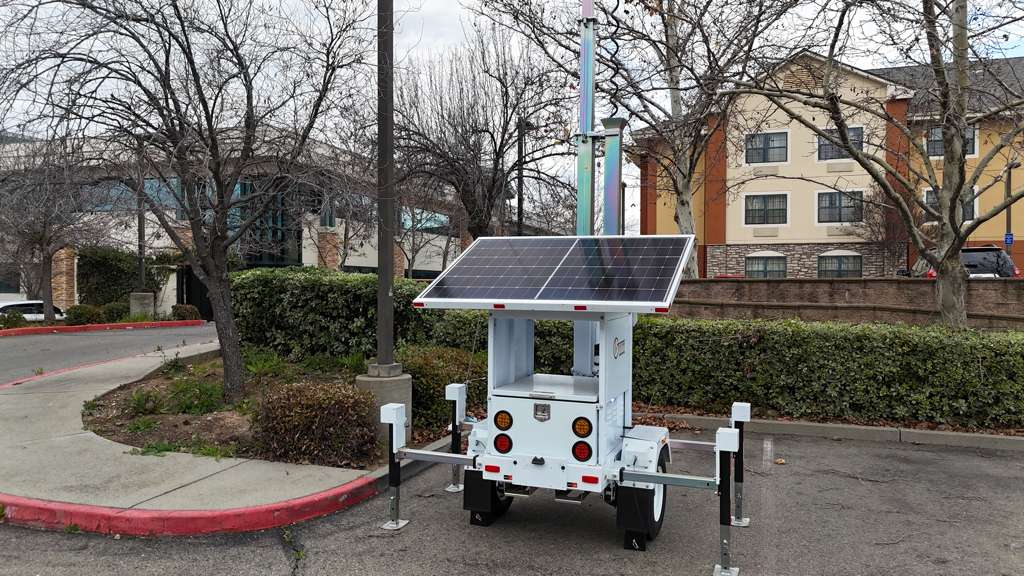
Portable cameras and equipment-focused solutions strengthen perimeter monitoring and asset control, allowing rapid deployment where coverage is needed.
How Do Portable Security Cameras Improve Construction Site Surveillance?
Portable cameras offer operational advantages that improve site coverage and incident detection.
Rapid Deployment: These cameras can be set up quickly, allowing for immediate security coverage.
Continuous Monitoring: Many models offer 24/7 monitoring, ensuring sites are always under surveillance.
Cost-Effectiveness: Portable cameras are often more affordable than traditional security systems, making them accessible to a range of budgets.
Adding portable units to a broader security strategy improves coverage and speeds detection.
What Strategies Complement Technology to Reduce Theft Risks?
Technology is most effective when combined with other security measures. Recommended practices include layered defences, visible deterrents, and routine maintenance.
Layered Security Plans: Combining physical barriers, such as fences and gates, with surveillance technology creates a comprehensive security approach.
Physical Deterrents: Visible security personnel and dogs can deter potential thieves from targeting a site.
Regular Maintenance: Ensuring that all security equipment is functioning correctly and that the site is well-maintained can help prevent theft.
When deployed with technology, these measures form a robust framework that reduces exposure to theft.
Frequently Asked Questions
What are the legal implications of construction site theft in California?
Construction site theft can carry serious penalties in California, including felony charges, fines, and imprisonment. Firms should document reasonable security measures to manage legal and contractual risk.
How can construction companies train their staff to prevent theft?
Training helps staff recognise suspicious behaviour, secure tools, and report incidents. Regular briefings, simple check-in/check-out processes, and worker involvement build accountability and improve reporting.
What insurance options are available for construction site theft?
Builders' risk insurance often covers theft of materials and equipment; some general liability policies may offer additional protection. Review theft endorsements and consult a specialist agent to match coverage to project risk.
What role do local law enforcement agencies play in preventing construction site theft?
Local police can share crime data, provide guidance on protective measures, and conduct site assessments. Building communication with law enforcement improves incident reporting and response.
How can technology be integrated with physical security measures?
Integrate mobile surveillance trailers, fences, access control, and alarms for layered security. Drones and remote analytics can extend visual coverage and speed incident response.
What are the best practices for securing tools and equipment on-site?
Lock tools in secure containers, use a check-in/check-out system, mark equipment with identifiable information, and perform regular inventories to detect and deter theft quickly.
Conclusion
Effective theft prevention protects assets and schedules on California construction sites. Understanding common theft modes and deploying layered solutions—including mobile surveillance trailers and portable cameras—reduces losses, supports project continuity, and improves site safety and accountability.